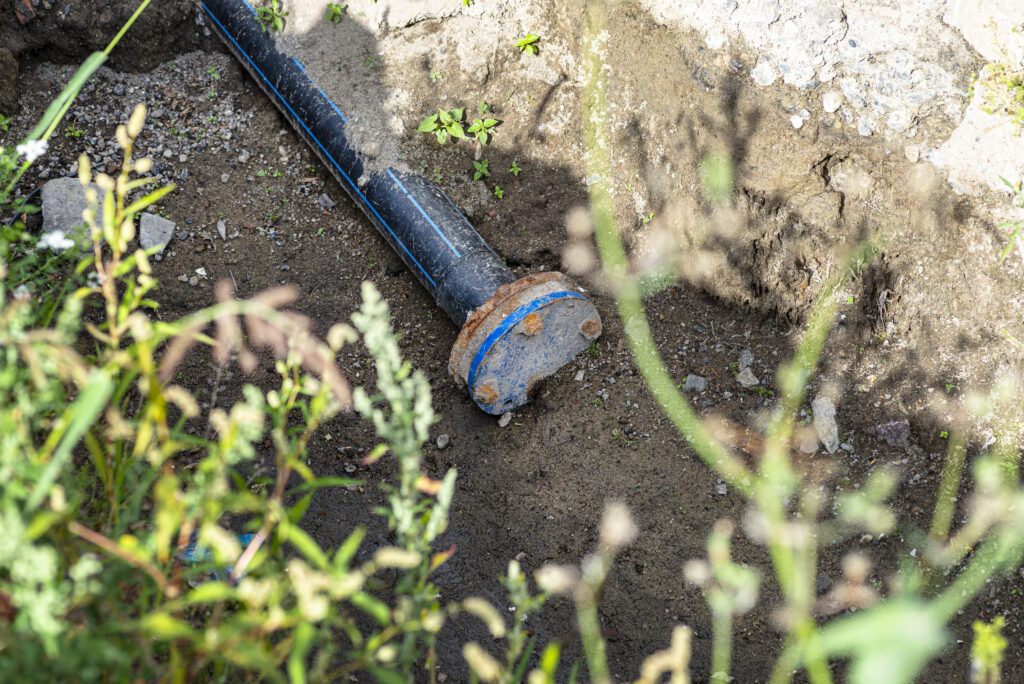
Erosion Control Strategies In Sloped Yards

Let’s talk about some effective erosion control strategies for sloped yards. Erosion is a major issue that can cause serious damage to your home and property if left unchecked. It’s important to take preventative measures, especially when you live on a slope or hillside. In this article, We’ll share our best tips for keeping soil in place and protecting it from the elements.

I know many of us feel overwhelmed by the challenge of caring for our yards properly – but don’t worry! With just a few simple steps, you can achieve great results with minimal effort. We’ll cover topics like aeration, mulching, planting vegetation, stabilizing slopes and more so you can confidently tackle any erosion-related issues at home.

So whether you’re looking for advice on how to keep your yard healthy during heavy rains or want to learn which plants are most suitable for sloped terrain – stay tuned! You won’t want to miss these essential tips.

What Is Erosion Control?

Are you tired of having your sloped yard constantly eroding away? Do you often find yourself asking ‘Why is this happening?!’. Don’t stress, We’re here to help. We know a thing or two about keeping those pesky slopes in check and preventing further damage from occurring. And that’s what we call ‘erosion control’!

Erosion control is the practice of utilizing methods such as vegetation, mulching, terracing, and retaining walls to reduce soil loss caused by wind or water. Soil erosion can cause costly damages to yards or land adjacent to it making it important for homeowners with sloped yards to take action when there are signs of erosion. With proper planning and implementation of these strategies, one can keep their beautiful yard picture-perfect all year long! Now on to the next topic – causes of erosion in sloped yards…

Causes Of Erosion In Sloped Yards

Now that we’ve established what erosion control is, it’s time to discuss the causes of erosion in sloped yards. Slope plays a major role in how quickly and severely soil can be eroded by water or wind, making it an important factor when implementing strategies for controlling erosion. Rainfall on steep slopes can cause surface runoff, which has a greater force than on level ground and erodes more easily. Wind-driven rain accelerates this process, as strong winds increase the velocity of rain droplets and create larger surface runoff channels.

Additionally, many soils have poor structure due to inadequate drainage systems and are therefore unable to hold onto moisture, creating conditions where they become saturated with water and less able to support vegetation cover. Without plants anchoring them into place, these loose soils will wash away much faster under heavy precipitation or high winds.

Finally, human activity such as construction or land development can also contribute significantly to increased rates of slope erosion. Activities like clearing trees, digging trenches or removing large amounts of topsoil expose the underlying layers of soil to higher levels of rainfall intensity, increasing their susceptibility to erosion. With all these factors at play, effective strategies must be implemented in order to prevent further damage from occurring on sloping sites. In our next section, we’ll explore some common types of erosion prevention techniques used in sloped yards.

Types Of Erosion Prevention Techniques

It’s true that erosion control strategies in sloped yards can be complicated. But they don’t have to be! There are several techniques you can use to prevent and reduce soil erosion on your property.

The first type of technique is the installation of physical barriers like terraces, gabions, silt fences, check dams, and riprap. These structures help slow down the flow of water, preventing it from eroding away at the soil. They also create a stable environment for vegetation growth which helps keep the soil in place even during heavy rainfall or other weather events.

Another effective method of controlling erosion is through vegetative stabilization. This includes planting grasses and ground cover plants as well as strategically placed trees and shrubs to act as windbreaks when necessary. Vegetation will not only provide stability but it also adds aesthetic value to landscapes while providing additional benefits such as improved air quality and wildlife habitat. With these methods combined, you’ll have an effective way of protecting your yard from further damage caused by erosion.

These types of erosion prevention techniques can go a long way towards ensuring that your landscape remains beautiful and protected year round – no matter how steep or angled your yard may be! Soil and plant stabilization is one more important step in creating an attractive outdoor space that will last for many years to come.

Soil And Plant Stabilization

Soil and plant stabilization are two of the most important strategies for controlling erosion in sloped yards. To begin, soil stabilization is best achieved by increasing the amount of organic matter present in the soil to improve its ability to absorb water and reduce runoff. This can be done through practices such as using compost or mulch on topsoil, adding a layer of gravel underneath plants, or aerating compacted soils with an auger.

Plant stabilization involves selecting vegetation that will help hold soil together and slow down runoff during storms. Shrubs can provide year-round protection from wind and rainfall while grasses create less dense coverings that allow some water infiltration, reducing runoff speeds. Trees also help retain moisture which reduces evaporation rates and provides more permanent ground cover than shrubs or grasses. By combining these two strategies, you can effectively protect your yard’s slopes against erosion caused by rainwater, wind, and other environmental factors. With this foundation established it’s time to look at how we can use contouring techniques to further control erosion on our property.

Contouring The Landscape

Now that the soil and plants have been stabilized, it’s time to contour the landscape. Moving dirt around can be a daunting task – but with careful planning and creative solutions, we can create an environment in sloped yards that both prevents erosion and looks beautiful!

The key is to design a system of terraces or steps so water gradually moves down the slope instead of running off quickly. A simple way to do this is by using retaining walls made from rocks, stones, bricks, railroad ties, gabion baskets filled with large rocks, or other materials. Terracing can also be done with plantings such as shrubs or flowerbeds which has the added benefit of providing color and texture to your yard. Additionally, swales can be constructed to divert water away from problem areas into more desirable locations.

These strategies are not only aesthetically pleasing; they help protect property against flooding and damage caused by runoff during heavy rains. By taking preventive measures now you’ll save yourself costly repairs later on. With some creativity and effort, you can transform your sloped yard into a safe haven while helping retain its natural beauty too!

Retaining Walls And Terraces

Retaining walls and terraces can be an effective solution for erosion control in sloped yards. We often recommend them when dealing with a steep pitch or grade change, as they are built to hold back soil that would otherwise erode away over time due to the effects of gravity. Retaining walls also provide aesthetic value to outdoor spaces by creating flat areas for landscaping and leisure activities.

When building a retaining wall, it’s important to have proper drainage systems in place so water doesn’t build up behind the wall and cause damage. For example, perforated PVC pipes should be installed underneath the wall at regular intervals; these allow rainwater to drain out from behind the wall instead of pooling there and causing structural issues later on.

Additionally, you want to make sure your wall is made of durable materials that can withstand long-term exposure to natural elements such as sun and wind. Concrete blocks or treated lumber are two common options that work well in this situation.

With their combination of function and form, retaining walls and terraced landscapes offer both practical protection against soil erosion while providing a distinct look that adds visual appeal to any yard. Moving forward, let’s discuss how rain gardens can further enhance our efforts at controlling stormwater runoff…

Rain Gardens

Rain gardens are like a sponge, soaking up the runoff from your sloped yard. They’re an effective way to control erosion and water pollution while also creating beauty in your landscape. We are passionate about rain gardens because they offer so many advantages – not only do they capture rainfall that would otherwise run off into nearby streams or rivers, but they can also prevent soil loss due to excessive runoff.

Plus, they provide habitat for wildlife and help improve water quality by naturally filtering out pollutants like oil and fertilizer before it enters waterways.

The key to successful rain garden design is understanding how much rainfall will be collected and where it should be directed after it’s been absorbed. By correctly sizing the rain garden and choosing appropriate plants, you’ll create a space that looks great and functions optimally. Depending on the size of your property and its drainage patterns, you may need additional measures such as swales, berms, or terraces to manage excess stormwater runoff.

Of course, proper maintenance is essential – clearing debris regularly, mulching around plants annually, and pruning overgrown foliage each year will ensure the optimal performance of your rain garden for years to come!

Vegetative Mulching

Vegetative Mulching is a cost-effective and sustainable way to control erosion in sloped yards. It’s an important part of any comprehensive soil conservation program, as it helps retain moisture and protect the soil from heavy rains. By adding cover crops or other vegetation, you can reduce runoff and improve infiltration into the soil, preventing sediment loss and increasing plant growth. Additionally, vegetative mulch adds organic material to soils which can help buffer against extreme temperatures while improving overall fertility.

The key benefit of using vegetative mulching is that it preserves topsoil, enabling plants to thrive in even challenging environments with steep slopes. The right kind of vegetation also provides natural protection for your yard’s delicate ecosystem by helping prevent weed populations from taking over. Plus, when done correctly, this approach has minimal disruption on existing landscape features like decks or patios; all while providing attractive aesthetic benefits as well!

Transition sentence: With proper gutter and downspout management techniques such as re-directing water away from vulnerable areas homeowners can ensure their property stays protected from damaging water runoffs due to severe weather events.

Gutter And Downspout Management

Having addressed the merits of vegetative mulching, let us now explore another critical aspect of erosion control: gutter and downspout management. As vital parts of the water cycle, gutters and downspouts can either be a friend or foe to your sloped yard; they must be managed in order to maximize their beneficial effects while minimizing any potential damage.

When it comes to gutters and downspouts, two key considerations are volume and velocity. Gutters should be designed with adequate capacity for peak flows resulting from rainstorms, without overflowing. In addition, downspouts should direct runoff away from structures within an acceptable time frame that prevents soil movement caused by erosive forces due to high velocities. Properly installed gutters and downspouts will also help reduce impacts on downstream areas at risk of flooding or other hazardous conditions.

Fortunately, there are several practical solutions available for managing gutters and downspouts on sloped yards including surface drains, swales, and stormwater management ponds—all of which we’ll cover in more detail in the next section. By taking into account both quantity and quality when implementing these strategies, you can ensure your slope is well-equipped to withstand the elements – naturally!

Stormwater Management Ponds

Stormwater management ponds are a great way to control erosion in sloped yards. They can also help reduce flooding due to runoff from rain and melting snow. These ponds are designed with an impermeable liner, which helps prevent water from seeping into the ground. The pond collects stormwater before it can enter our waterways and cause further damage. Additionally, they provide a natural habitat for birds and other wildlife.

The primary benefit of these ponds is that they divert excess water away from homes and businesses, helping to protect property from potential flood risk. By providing additional storage capacity on-site, these systems allow homeowners to manage their own stormwater without relying solely on municipal infrastructure or costly off-site mitigation measures. Overall, this type of system provides effective erosion control while also protecting our environment at the same time.

With such benefits, it’s no wonder why so many people choose to install stormwater management ponds in their sloped yards. For those looking for even more protection against erosive forces of nature, drainage swales and diversions may be the next step in creating a safer landscape.

Drainage Swales And Diversions

Now that we’ve discussed stormwater management ponds and their importance in managing runoff, let’s talk about two other erosion control strategies for addressing sloped yards – drainage swales and diversions. According to the U.S Environmental Protection Agency (EPA), over 20% of all water pollution is caused by urban stormwater running off residential properties. To address this issue, using a combination of diversion channels and drainage swales can help reduce soil erosion from occurring in your yard.

Diversion channels are usually constructed along the toe slope or at the top of a hillside to capture incoming surface water flow before it reaches an area susceptible to soil erosion such as a steeply-sloped lawn or garden bed. In contrast, drainage swales are typically dug into flat areas like yards or soccer fields to direct excess groundwater away from buildings and towards designated collection points where it can be safely released without causing any damage. Both these structures work hand-in-hand with each other to create efficient pathways for rainwater removal while also protecting vulnerable parts of a property from potential flooding or landslides due to heavy rains. With proper installation and maintenance, they can provide reliable protection against unwanted runoff on your property throughout the year.

To ensure optimal performance, it’s important to regularly inspect both diversion channels and drainage swales for clogs or blockages which may disrupt their effectiveness during heavy rainfall events. Additionally, you should make sure that grasses planted around them remain healthy since strong root systems will help stabilize slopes and prevent soil erosion from taking place even when there is excessive precipitation being experienced locally.

Turf Grass Alternatives

When it comes to erosion control in sloped yards, turf grass alternatives are an excellent way to reduce soil loss. We recommend using plants that have deep roots and dense foliage for maximum stability. For example, shrubs with woody stems like juniper or boxwood can help hold the soil in place while also providing an attractive ground covering.

Ground covers such as creeping thyme or vinca minor can also be effective at trapping sediment and slowing runoff from areas of higher elevation. These plants often require less maintenance than a lawn and will still provide a pleasant aesthetic addition to your landscape.

Organic material additives are another option for controlling erosion on steep slopes. These include items such as compost, mulch, straw and sawdust which all work to improve the quality of the soil by increasing water retention and reducing compaction. The benefits of adding organic materials to your yard go beyond just erosion control; they can also promote healthier plant growth and better overall drainage.

Organic Material Additives

Organic material additives can be an effective way to stabilize the soil in your sloped yard. These materials, such as compost and mulch, are applied on top of the existing soil surface and help decrease erosion by reinforcing it with a protective coating that’s resistant to wind and water. Compost is especially helpful when combined with other ingredients like peat moss or vermiculite because these substances add even more stability.

Mulching also helps keep moisture levels high which leads to better plant growth, making this technique ideal for yards that have been heavily landscaped. Not only do organic material additives provide you with great protection against erosion, but they also benefit the environment by providing nutrients to plants and animals living in your area.

Another approach is applying organic matter directly into the soil – this could include things such as manure or leaf litter. This method works best when used to treat small areas because it takes longer for the material to decompose enough so that its benefits become visible.

But once it does break down completely, you’ll end up with improved infiltration rates, increased porosity of soils, higher nutrient content, and good microbial activity all of which will ultimately lead to less runoff from your property during heavy rains or snowmelt events. That’s why adding organic matter directly into the soil is often seen as one of the most effective forms of erosion control available for sloped yards!

Constructed Waterways

Now that we’ve discussed the benefits of organic material additives, it’s time to move on to a popular erosion control strategy used in sloped yards – constructed waterways. Constructed waterways allow water runoff to be channeled and diverted away from areas of your yard susceptible to erosion. They can also act as an irrigation system design for retaining moisture around plants or other vegetation.

Constructed waterways consist of two main components: swales and ditches. Swales are shallow depressions dug into the landscape that slows down the flow of water while allowing it to retain more moisture before draining further downstream. Ditches are deeper channels designed to capture larger amounts of surface runoff and direct them towards lower-lying terrain where they can safely exit out onto another area without causing damage. Both swales and ditches must have adequate drainage outlets so excess water does not build up and cause flooding or soil saturation issues. Combined, these systems create a reliable means for controlling stormwater runoff in steeply sloped landscapes like yours.

So if you’re looking for an effective way to reduce potential erosion problems in your sloped yard, consider investing in a constructed wet way system today! It’ll help protect your property from costly damages while ensuring healthy plant growth at the same time.

Irrigation System Design

When it comes to controlling erosion on sloped yards, we all know that an irrigation system is a must-have. But who has the time or patience to design one? We sure don’t! Luckily there are some clever solutions out there for those of us who aren’t engineers.

First off, you want to consider your yard’s soil type and drainage capabilities when planning an irrigation system. If you have sandy soil, for example, you’ll need to add more water than if your ground had clay in it.

Remember to factor in any slope as well as how much grass cover (or lack thereof) affects how quickly rainwater will be absorbed into the ground. After determining these factors, you can then choose from various options such as sprinkler systems, drip lines, etc., depending on what kind of watering coverage you need.

Of course, no matter which technique you opt for – whether manual or automated – the key is making sure that your irrigation system covers the entire area while providing enough moisture without overdoing it. This way your grass won’t drown but also get enough hydration so that it stays lush and green even during dry spells!

Conclusion

The end goal of any erosion control project is to reduce the effects of water runoff and soil loss on a sloped yard. Taking steps towards prevention can make all the difference in preserving your property, and keeping it safe from potential damage caused by erosive forces. By implementing one or more of these strategies such as soil and plant stabilization, contouring the landscape, turf grass alternatives, organic material additives, constructed waterways, and irrigation system design, you’ll be able to protect your yard and keep it looking beautiful for years to come.

With extensive experience working with properties on slopes and hillsides, We have seen firsthand how effective these techniques are at preventing further degradation due to unchecked run-off. With proper planning and implementation of these measures, you can rest assured that your land will stay protected from further harm while maintaining its aesthetic appeal.

In short: don’t underestimate the power of controlling erosion in order to maintain a healthy environment! Your sloped yard may look steep now but taking proactive action against erosion will ensure that it remains lush and vibrant for generations to come.

How To Extend Your Home’s Landscaping By Directing Runoff Away From Problem Areas

Hey there! As a professional in the field, We know how important it is to extend your home’s landscaping by directing runoff away from problem areas. In this article, I’m going to show you just how easy it can be to do that.

Doing this will not only help keep your lawn looking great year-round, but also give you a sense of accomplishment knowing that you did something positive for your home. Plus, extending your home’s landscaping allows friends or family who visit to feel right at home – like they belong in your outdoor space too.

By following our tips and tricks, you’ll have an outdoor oasis that looks professionally designed while still being easy on the wallet. So let’s get started!

Definition Of Runoff

Runoff is a powerful force of nature, capable of reshaping the landscape in its path. It’s a symbol of both destruction and renewal; it can tear down existing structures while simultaneously building new ones. We harness this power to create beautiful outdoor spaces that are both pleasing to look at and structurally sound. But when runoff isn’t managed properly, it can wreak havoc on our homes and landscaping projects. In order to protect your home from damage caused by runoff, let’s take a closer look at how to direct the flow away from problem areas. With careful planning and proper drainage systems in place, you can extend your home’s landscaping while keeping water away from vulnerable parts of your property.

Impact Of Runoff On Home Landscaping

Now that we understand what runoff is, let’s explore how it can impact the landscaping around your home. When rainfall or melting snow accumulates on hard surfaces such as driveways and sidewalks, it creates runoff which flows into areas of your landscape where you don’t want it to go. This water can damage lawns, gardens, flower beds and trees if not addressed properly. Not only does excess water cause erosion but it also encourages weed growth in unwanted places.

The best way to protect against this problem is by directing the runoff away from sensitive areas of your landscape. You can do this by installing swales and berms – shallow trenches filled with rocks or soil – to divert the flow of water away from these areas. Additionally, adding rain barrels or cisterns for collecting rainwater will help reduce runoff and provide an additional source of irrigation for your plants during dry spells. By taking a proactive approach to managing runoff, you’ll be able to protect your home’s landscaping while still enjoying its beauty without worry!

Identifying Problem Areas

Did you know that approximately 30 percent of the water used in residential landscaping is wasted due to runoff from poorly designed landscapes? Identifying problem areas in your landscape can help reduce this waste, as well as save money and preserve natural resources. It’s important for any homeowner who wants to extend their home’s landscaping by directing runoff away from problem areas to first identify them.

The most common sources of runoff are sloped surfaces like lawns, driveways and sidewalks; impervious surfaces like roofs, patios or decks; and hardscape elements such as retaining walls and drainage channels. The location of these features will determine where they should be directed away from when constructing a new landscape plan. Other potential sources of runoff include ponds, streams, swales, rain gardens and trees, so it’s important to take all of these into consideration before beginning any project.

Solutions For Reducing Runoff

It’s our job to help clients reduce runoff and extend their landscaping. One way we do this is by using rain gardens or bioswales. These are shallow depressions that capture rainfall and filter pollutants before they can reach nearby waterways. They also provide a habitat for native species of plants and animals.

We would also recommend installing permeable pavers to manage the water run-off from paved surfaces such as driveways and sidewalks. Permeable pavers allow water to pass through them into an underground storage system where it can be absorbed naturally into the surrounding soil. This helps prevent flooding in problem areas around your home while still providing an attractive aesthetic feature.

By implementing these solutions, you can improve your home’s landscape while protecting against excessive runoff from heavy rains. The next step is assessing the soil conditions in order to determine what type of vegetation will thrive in your yard and how best to manage any existing drainage issues.

Assessing Soil Conditions

Now that you have solutions for reducing runoff, assessing soil conditions is the next step. Alliteration aside, it’s essential to understand your soil before directing water away from problem areas. Knowing the type of soil on your property allows you to create a drainage system which will adequately divert excess rainfall or irrigation runoff and ensure healthy plants are growing in an ideal environment.

It’s always important to conduct an assessment of the soil prior to implementing any changes in order to determine the best course of action for managing stormwater. Assemble a team of experts who can examine both surface and subsurface characteristics such as texture, composition, structure, pH levels, slope angles and permeability. This information can help you create a solution tailored specifically to your home’s unique needs while creating an attractive space with sustainable elements that provide long-term value and aesthetic appeal. From here we can continue our efforts by creating a drainage system that meets all these criteria – one that directs runoff away from problem areas while still offering plenty of potential for landscaping creativity.

Creating A Drainage System

Creating a drainage system is essential to extending your home’s landscaping. This will help direct runoff away from problem areas, such as low-lying spots that tend to collect water and create puddles. We recommend installing French drains or dry wells around these troublesome spots.

French drains are trenches filled with gravel and fabric, and they allow water to flow freely into the soil below. Dry wells have the same purpose but are built by digging deeper holes in the ground and filling them with crushed stone. Both of these systems provide an effective way of draining excess water away from your property while preserving its visual appeal.

Utilizing Rain Barrels And Cisterns

One of the best ways to direct water runoff away from problem areas is by utilizing rain barrels and cisterns. Rain barrels are large containers that you can use to collect rainfall off your roof, which can then be used for watering plants or filling a pool in the summertime. Cisterns offer larger capacity than rain barrels; they’re often buried underground to store more significant amounts of stormwater. Both solutions help capture valuable water resources and reduce flooding while also keeping local streams healthy.

If you want to take advantage of these features but don’t have the space for either solution, there are other options available as well. You could install permeable pavers throughout your yard, which will allow excess water to seep into the soil beneath them instead of running off into problem areas. This approach doesn’t require much maintenance after installation and still provides an effective way to divert runoff away from trouble spots on your property. With a bit of creativity, there are many different methods for diverting runoff away from sensitive parts of your home’s landscape!

Installing French Drains

Did you know that French drains can help protect your home from water damage by directing water away from its foundation? Installing a French drain is one of the most effective ways to keep runoff out of problem areas in your yard.

French drains are trenches filled with gravel or rock and have perforated pipes running through them, which allows excess water to escape quickly. To install one, start by digging a trench along the edge of the area where you want to direct the runoff away from. This should be at least 8 inches deep and about 6 inches wide. Place the pipe inside the trench then cover it with gravel up to around 4-6 inches below ground level so that when it rains, any surface water will run into the trench and down into the pipe. Line the edges of your trench with landscaping fabric before filling in soil on top of it as this will prevent weeds from growing in your newly installed French drain system!

Building Retaining Walls

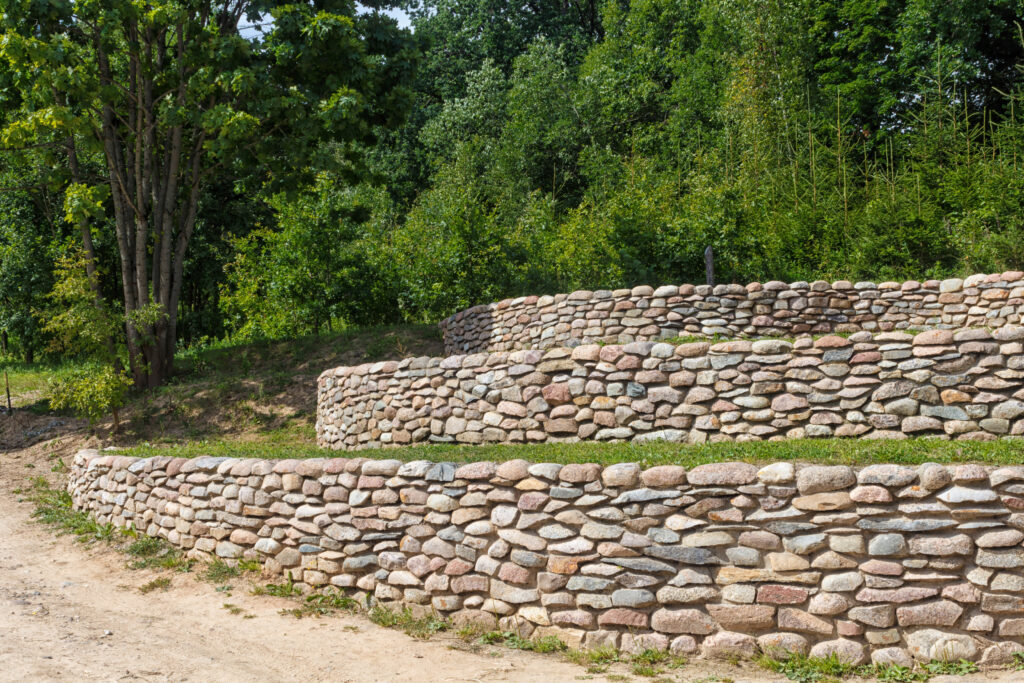
retaining walls made of pebbles used for directing runoff
#image_title

Now that you have a French drain installed, it’s time to consider building retaining walls. Retaining walls can help direct runoff away from problem areas and increase the usable space in your landscape. They also provide an attractive visual element while helping to control erosion. When planning your retaining wall project, there are several factors to keep in mind such as material type, size and shape of the wall, drainage requirements, and soil stability.

For best results, consult with a professional landscaper or engineer before beginning any construction work on your property. If necessary, they can recommend special techniques for constructing retaining walls that will ensure maximum strength and durability over time. Additionally, make sure to use quality materials when constructing your wall. Quality materials coupled with proper installation techniques will go a long way towards making sure your retaining wall stands strong against wind and water forces for many years to come.

Once you’ve constructed a retaining wall on your property, you may want to consider using rain gardens or dry wells to further extend the life of the structure by allowing excess water to be diverted away from its base where it could collect and cause damage down the road.

Using Rain Gardens Or Dry Wells

If your home’s landscaping is directing runoff towards problem areas, you’ll want to consider using rain gardens or dry wells. Rain gardens are planted depressions in the landscape that collect and absorb stormwater. They help reduce flooding, erosion, and pollutants from entering nearby waterways. Dry wells also capture runoff but instead of being shallow depressions they are deep holes filled with rocks and gravel that allow water to slowly drain into the ground. Both solutions can be designed to fit any space and will prevent runoff from pooling near buildings or landscapes.

Both rain gardens and dry wells come with a host of benefits beyond just preventing water damage. When installed correctly, these features create beautiful focal points in your yard while providing wildlife habitat for birds and bees alike. Plus, properly maintained rain gardens require very little maintenance after setup so they won’t take up too much of your time! With both options available, there’s sure to be one that fits your needs perfectly. Next up on our list: planting vegetation to absorb water and reduce erosion.

Planting Vegetation To Absorb Water And Reduce Erosion

Once you’ve successfully implemented rain gardens or dry wells, the next step in extending your home’s landscaping is to plant vegetation that can absorb water and reduce erosion. This helps direct runoff away from problem areas without compromising on aesthetics. Planting trees, shrubs, ground covers and grasses are excellent ways to achieve this goal.

Trees like maples, oaks and pines will provide more than just a beautiful view; they also act as windbreaks which help protect against soil loss due to strong winds. Shrubs such as boxwoods, azaleas and rhododendrons will fill out any gaps between trees while providing texture and color to your landscape design. Ground covers like carpet phlox, myrtle spurge and creeping juniper are great for preventing weed growth in sloped areas of your yard while helping keep moisture in the soil. Finally, grasses like fescue, bluegrass and rye can be used to stabilize banks by creating an interlocking root system with other plants in the area.

By planting these types of vegetation around your property you won’t only create a visually stunning landscape but it will also play a major role in diverting surface water away from problem areas allowing you to maintain healthy soil conditions over time. Adding mulch or gravel for soil stabilization can further improve drainage issues caused by excessive rainfall.

Adding Mulch Or Gravel For Soil Stabilization

Mulch or gravel can be an effective way of stabilizing the soil around your home. This will help protect against erosion, while also helping to reduce any runoff that is causing problems in specific areas. It’s a relatively low-cost method and if done correctly can make a big difference in preserving the land surrounding your house.

We recommend using mulch because it helps keep moisture within the soil longer than other materials such as gravel. Additionally, it decomposes over time which adds nutrients back into the soil, making for healthier vegetation growth. When putting down mulch or gravel, be sure to leave some space between each layer so water has room to disperse throughout properly. You may even want to consider adding plants on top of the mulch/gravel to further stabilize the ground and provide additional beauty to your landscape design! With these tips, you’ll have no problem directing runoff away from those troublesome areas of your home’s landscaping. Now let’s take a look at how constructing earth berms, swales, and dams can help control runoff more efficiently…

Constructing Earth Berms, Swales, And Dams

I’m passionate about creating sustainable outdoor living spaces. And one of the most important steps to ensuring your home’s landscaping is able to handle runoff from storms and excess water from sprinklers is by constructing earth berms, swales, and dams.

Earth berms are mounds of soil that capture runoff in order to redirect it away from problem areas. Swales are shallow depressions or ditches with gently sloping sides used to control surface drainage. Dams slow down or stop the flow of runoff while also preventing erosion. All three can be designed to fit different parts of your property, allowing you to customize them according to your needs. Plus, they’re incredibly easy to install on your own!

By incorporating these simple solutions into your home’s landscaping plan, you’ll not only help prevent long-term damage but also create an area that will give you years of enjoyment. Now let’s take a look at how we can repair leaks in downspouts and gutters for even more protection against flooding in problem areas around your home …

Repairing Leaks In Downspouts And Gutters

Repairing leaks in downspouts and gutters is essential to extend the lifespan of your home’s landscaping. It may not seem like a big deal, but water damage can cause costly repairs or even complete destruction if left unchecked. To start, inspect any visible signs of leakage around joints, seams and elbows of your gutter system. Look for cracks or holes that are allowing water to escape and then patch them up with sealant or liners as needed. If you don’t feel confident about doing these tasks yourself, it’s best to call a professional who has experience repairing leaky gutters and downspouts safely.

Additionally, check for clogs in the drainage system by running water through it from the roof during heavy rains. If you notice an issue with slow draining or blockage, use a garden hose to flush out debris until everything runs smoothly again. Regular maintenance on your gutter systems will help ensure runoff is being directed away from problem areas around your home’s landscaping efficiently. This helps prevent future flooding issues and keeps your outdoor space looking great for years to come! With proper attention paid now, regular maintenance tips should be easy going forward.

Regular Maintenance Tips

Regular maintenance is essential for landscaping that will last. It’s true what they say, “A stitch in time saves nine!” Taking preventative measures and regularly inspecting your yard can save you a lot of headaches down the road.

First off, inspect any areas where runoff tends to accumulate or pond after rainfall. Make sure these areas are draining properly and if not, make adjustments as necessary. Replace any damaged soil with good quality topsoil and amend it with organic matter such compost or manure to help absorb moisture and promote drainage. Make sure all gutters and downspouts are clean, clear of debris, and functioning correctly so water doesn’t pool near your house foundation. Keep an eye out for pests like slugs or weeds that can cause damage to plants or contaminate them with disease-causing organisms. Prune back overgrown shrubs to improve air circulation which helps reduce pest infestations. Finally, use mulch around trees and other garden beds to retain moisture while also keeping weeds at bay. These simple steps will go a long way towards helping keep your landscape looking its best year round!

Conclusion

By following the steps outlined above and being mindful of any changes that have occurred to your property, you can create an effective plan to protect it from damage caused by runoff. It is like creating a beautiful mosaic – each layer needs to be carefully put together for it to look its best.

By properly assessing soil conditions, adding mulch or gravel for stabilization, constructing earth berms, swales and dams, repairing leaks in downspouts and gutters and maintaining regular upkeep, your home’s landscaping will be safe from harm due to runoff. While there are several layers to this process if done correctly it can save time and money on costly repairs in the future.

The goal here is simple: keep your home’s landscaping looking pristine while ensuring that water runs away from problem areas instead of towards them. With these tips and tricks at your disposal, you should be able to achieve this with relative ease!

Protecting Property During Heavy Rains With Catchments And Swales

We are well aware of the potential damage that heavy rains can cause to property. With global warming and climate change on the rise, storms have become increasingly intense and more damaging than ever before. That’s why it is so important for us to take steps now to protect our properties from flooding during such events. In this article, We’ll be discussing how catchments and swales can help protect your home or business against floods caused by torrential downpours.

We all want to feel secure in our homes and businesses, but sometimes natural disasters like heavy rainstorms create a sense of uncertainty about what could happen if we’re not prepared in advance. Catchments and swales are two great options for protecting your property from floodwaters due to heavy rainfall. When done correctly, they provide protection from excessive amounts of runoff water while also allowing excess stormwater to safely move away from buildings into another area where it won’t cause harm.

By taking proactive measures like installing catchments and swales around your property, you can make sure that any potential flooding is minimized as much as possible – ultimately giving yourself peace of mind when those thunderclouds roll in! Read on to learn more about how using these methods can keep your home or business safe during periods of heavy rainfall.

Definition Of Catchments And Swales

Storms can be a beautiful thing, but when they bring heavy rains it can cause serious damage to your property. Luckily, there is an innovative way of protecting your property from the impact of these storms: catchments and swales. Catchments are essentially trenches that are filled with gravel or soil, which act as barriers against rainwater runoff and help keep water away from buildings and other structures on your property. Swales, meanwhile, are shallow ditches that redirect water in order to prevent flooding and erosion.

Together, catchments and swales form an effective system for mitigating storm damage while helping to conserve valuable resources like topsoil and groundwater. By understanding how these systems work, you can better protect your property during periods of heavy rainfall. Transitioning now to the benefits of catchment and swale systems…

Benefits Of Catchments And Swales

Catchments and swales are an effective way to protect property from heavy rains. They can act as a barrier between the ground water system and buildings, preventing flooding of structures. The benefits they provide are numerous.

First, catchment systems help reduce runoff by collecting and storing rainwater onsite until it is absorbed into the soil or evaporates back into the atmosphere. This helps prevent erosion of topsoil due to excess rainfall, which in turn prevents sedimentation damage to nearby waterways.

Additionally, these systems help recharge underground aquifers by allowing rainwater to slowly filter through layers of rock and sand before reaching its destination.

Finally, installing a catchment system also reduces energy costs since it eliminates the need for pumps that would otherwise be used during periods of high precipitation.

By doing so much more than just protecting properties from floods, catchments and swales offer many advantages over traditional methods of flood control. Moving forward with our exploration of this topic, let’s now look at some key design considerations when planning such projects.

Design Considerations

Now that we’ve discussed the benefits of catchments and swales, let’s move onto their design considerations. It’s essential to take into account every aspect – from soil type to slope gradient – when designing a successful system.

Start to consider the size and shape of the land you’re working with. Catchments and swales should be designed based on the topography of your landscape; this means taking note of contours and slopes as well as any existing vegetation or gradients in elevation. The larger area of land will require more expansive designs for maximum effectiveness during storms.

Secondly, examine the drainage patterns within your site. When considering water flow paths, think about where runoff might go after passing through a catchment or swale before moving further away from its source. This information can help inform decisions regarding containment measures like berms or dikes around sensitive areas.

And Lastly, evaluate soil conditions to determine how much infiltration potential exists below ground level; this may dictate what type of material you choose for your structures such as gravels vs native soils. With these factors taken into consideration, you’ll be able to create a system that meets all your needs while also providing adequate protection against floods and other storm events.

The construction process requires careful planning and execution in order to ensure proper installation and functioning over time.

Construction Process

tools for creating catchments and swales

Constructing catchments and swales to protect property during heavy rains is an important task. We believe in the importance of taking all necessary steps to ensure that these structures are built correctly.

To begin construction, you’ll need some basic tools like shovels, rakes, picks, wheelbarrows & buckets. You also should have access to topsoil or mulch which has been tested for contaminants by your local soil testing agency. You will want to use organic matter such as composted manure or grass clippings in order to help with water infiltration into the ground. This helps keep the soils from becoming saturated with runoff during storms.

Once you’ve gathered the materials needed for construction, it’s time to start preparing the area before beginning the actual building. Properly prepping the soil is key for successful construction because it allows for better absorption and drainage of rainwater into the ground instead of flooding around homes and businesses. Now let’s move on to discussing soil preparation techniques…

Soil Preparation Techniques

The rains may come and go but our homes must stay standing. It is up to us to ensure that our properties are protected when heavy rainfall strikes, which can be done by creating catchments and swales on the landscape around a home or business.

These man-made channels help divert excess water away from buildings and into areas of lower elevation where it can seep slowly back into nature without causing damage. To create these features, careful soil preparation techniques must be employed in order to make sure they are effective against both large storm events and increased runoff due to changes in land cover over time.

Soil preparation begins with removing any debris or bedrock that would obstruct water flow through the system, followed by grading the area so that it slopes towards the desired outlet point for the rainwater. Any existing vegetation must be cleared out before installing new plants along the banks of each swale in order to anchor them securely and encourage infiltration at their base.

Amendments such as compost should also be added regularly to help build fertility levels within the soil surrounding the site’s catchment systems. All of this work will help keep your property safe even during periods of intense precipitation. With thoughtful design and regular maintenance requirements, you can feel confident that your space will remain safe from flooding well into the future!

System Maintenance Requirements

System maintenance is essential for keeping catchments and swales functioning properly. The first step in proper maintenance is to regularly check the system for any signs of damage, such as erosion or damage from extreme weather events. Any repairs should be made immediately to ensure the integrity of the system. It’s also very important to check that all components are securely connected and that there are no leaks present.

Make sure to keep an eye on the vegetation around the system. Weeds can clog up water flow, while native plants provide a habitat for beneficial insects and other wildlife. If non-native species become invasive, they must be removed promptly—and replaced with appropriate native vegetation if necessary. In addition, regular pruning may help promote the healthy growth of existing plants and trees within a catchment or swale area. With this kind of attention, these systems will remain safe and effective protectors against heavy rains year after year!

Next, we’ll discuss what types of plants are best suited for use in protecting property during heavy rains with catchments and swales.

Types Of Plants To Use

Now that we have a grasp of the system maintenance requirements for protecting property during heavy rains with catchments and swales, let’s move on to the types of plants you can use.

When choosing vegetation for your catchment or swale systems, it is important to select native species that are tolerant of both wet and dry conditions. This will ensure they survive through extreme weather events such as flooding and drought. Plants play an essential role in stabilizing soil structure, reducing erosion, slowing runoff velocity, and increasing water infiltration into the ground. Some examples of suitable plantings include grasses like Bermuda, sedges, rushes, and wildflowers.

Trees like oaks and cypress provide extra protection from floods due to their deep root systems which act like anchors holding down soil particles when there’s strong winds and fast-moving waters. These plants not only protect properties but also help increase biodiversity by providing food sources for local wildlife while improving air quality. It truly is remarkable how integrating simple elements into our landscapes can create beneficial habitats within urban environments!

As we start looking at rainwater harvesting advantages next, keep in mind that planting native vegetation not only helps reduce stormwater impacts but also creates beautiful outdoor spaces for people to enjoy!

Rainwater Harvesting Advantages

The advantages of rainwater harvesting are numerous. We know that water is a precious resource and should be managed responsibly to ensure it lasts for future generations. Rainwater harvesting allows us to capture the rainfall before it has a chance to run off into streams or rivers, allowing us to store and use this valuable resource in an efficient manner. By using catchments and swales, we can protect our property from flooding during heavy rains while also reaping the benefits of collecting potentially clean drinking water.

Rainwater harvesting not only helps conserve resources but also saves money on utility bills as well. In some areas, homeowners have been able to reduce their monthly water bill by up to 70 percent simply by installing a rainwater collection system. This makes sense because instead of having to pay for treated tap water every month, you now have access to free clean drinking water! And since most of us don’t need potable water for all uses in the home (such as flushing toilets), even more savings can be realized with rainwater harvesting systems.

Furthermore, capturing the runoff from your roof prevents erosion caused by large volumes of stormwater rushing over your landscape during storms. Swales help channel excess flow away from vulnerable areas so it does not cause damage or create mudslides during severe weather conditions. Now let’s look at how we can disperse this collected water safely…

How To Disperse Water Safely

Once catchments and swales have been constructed, the next step is to make sure that water disperses safely. To achieve this, it’s important to consider the slope of the land. If the slopes are too steep, water may flow quickly and erode soil or damage structures downstream. On the other hand, if they’re too shallow, runoff can stagnate and cause flooding problems in areas where it’s not intended.

To ensure proper drainage, we must carefully calculate how much space there needs to be between each swale or catchment so that runoff is dispersed evenly throughout an area without causing erosion or standing water.

Strategically placed small barriers such as rocks or logs can help with controlling and redirecting surface run-off when necessary. With careful planning and consideration for safety during the construction of these systems, we can effectively disperse large amounts of rainfall into our environment while protecting property from potential flood damage.

The strategies discussed here provide a great starting point for homeowners looking to protect their property from heavy rains; however, additional steps should also be taken to keep structures dry by creating buffers around buildings and maintaining existing vegetation on site.

Strategies To Keep Structures Dry

When it comes to protecting property from heavy rains, catchments and swales are an effective way of dispersing water safely. Utilizing these tools can be a great way for landowners to prevent flooding and keep their structures dry as a bone. These two strategies represent the most common landscaping solutions for rainwater management, but they offer different benefits.

Catchments involve collecting runoff from roofs, or other impermeable surfaces, in tanks or barrels with filtration systems that help reduce pollutants before discharging them into nearby creeks or rivers. This is an easy solution that can be implemented quickly while still providing excellent flood protection. On the other hand, swales are shallow ditches cut into landscapes near properties to channel excess surface water away from buildings and roads. Although this strategy requires more effort than using catchment systems, it offers increased control over where the collected water goes afterward.

These two solutions have been around for centuries and have proven successful at keeping homes safe during periods of extreme weather events like heavy rain storms. With careful planning and implementation, both strategies can provide reliable flood prevention while also helping maintain local ecosystems by reducing pollution levels in waterways. By utilizing these techniques together, landowners can ensure their structures stay dry even when Mother Nature throws her worst at them!

Landscaping Solutions For Rainwater Management

When it comes to protecting property from heavy rains, catchments and swales are two powerful landscaping solutions. Catchments capture rainwater that falls onto roofs and other hard surfaces, diverting this water away from vulnerable areas of the landscape. Swales, on the other hand, divert runoff away from low-lying areas by creating channels in which surface water can flow. Both strategies work together to reduce erosion and prevent damage caused by flooding.

To maximize their effectiveness, these strategies should be tailored to a site’s specific topography and soil type. For example, if soils are sandy or heavily compacted then they may not absorb rainfall as effectively as looser soils like clays or silts; however, even loose soils will eventually become saturated with too much water. In such cases, stormwater retention systems need to be deployed to store excess rainwater until it can be safely released over time.

Stormwater Retention Systems

Protecting property from heavy rains can be achieved through the use of stormwater retention systems. These systems include catchments and swales, which are designed to capture rainwater and divert it away from vulnerable areas. By utilizing these mechanisms, we can prevent flooding that could potentially damage buildings or cause other costly problems.

Catchment systems utilize a variety of techniques to contain runoff water in order to reduce its impact on surrounding structures. This includes installing trenches around the perimeter of properties, as well as creating berms or terraces to direct rainfall into depressions within the landscape. Swales work similarly by directing floodwaters along a slope towards an area where they can safely flow offsite without causing harm. Both methods provide effective solutions for reducing flooding risk while also protecting local ecosystems from excess runoff pollution.

These stormwater retention systems provide important protection for both property owners and their surroundings during periods of heavy rainfall. In addition, using them is often much less expensive than traditional flood prevention tactics such as building levees or walls, making them a cost-effective way to protect against potential damages caused by storms. With this knowledge in hand, we can now look at how runoff control measures can further help us prevent hazardous floods in our communities.

Flood Prevention Through Runoff Control

When it comes to protecting property during heavy rains, catchments and swales are extremely effective. We know how important runoff control is in preventing flooding on a property. Catchments and swales help manage the flow of water off a hard surface like pavement or concrete by capturing runoff and redirecting it away from impervious surfaces into vegetated areas.

Catchment systems collect stormwater runoff at collection points such as gutters along rooftops, driveways, sidewalks, and patios. The collected runoff can then be directed through underground pipes towards landscaped swales which will store excess rainfall until nature takes its course and evaporates the stored water back into the atmosphere. Swales are shallow depressions that have been graded with vegetation planted around them so they can absorb more water than traditional lawns or gardens. This helps reduce erosion while also allowing for better infiltration of stormwater back into the ground naturally rather than contributing to local floods downstream.

By using both catchment systems and swales together, we can successfully prevent flooding on properties even when there’s excessive rainfall. Now let’s explore further the environmental benefits of these technologies!

Environmental Benefits Of Catchments And Swales

Catchments and swales can be incredibly advantageous for protecting property during heavy rains. These systems provide a natural means of filtering runoff water before it enters the ground or streams, ultimately helping to reduce erosion and nutrient pollution.

They also help keep soil moist longer while reducing flooding risks by slowing down the flow of water into bodies of water or low-lying areas. For example, catchment basins are often used on golf courses to prevent washouts from occurring when heavy rain falls in short amounts of time.

And by Installing catchments and swales also helps create more green space – making them an attractive solution for those looking for ways to improve their environment’s aesthetic beauty.

Moreover, catchments and swales also aid in creating habitats for wildlife as well as providing oxygen-rich microclimates that support native plant species. All these benefits make catchments and swale a cost-effective way to protect your property from potential damage due to heavy rainfall events.

Cost Of Installation And Maintenance

The cost of installing and maintaining catchments and swales can vary, depending on the size of the project. It’s important to consider all factors before investing in this type of system for protecting property during heavy rains. We have seen projects that require more upfront capital than others, but often result in long-term savings due to their effectiveness at preventing flooding and stormwater runoff from damaging homes and businesses.

When considering installation costs, it’s important to remember that these systems will need regular maintenance to ensure they are functioning properly. This includes checking for clogged pipes or outlets, monitoring water levels, building sediment traps, removing vegetation buildup around dams or settling tanks, and cleaning trash out of catchment basins.

Depending on the complexity of your particular project, you may also need to hire a professional service provider to regularly inspect your system. All these things add up quickly so make sure you have a budget in place that covers both initial installation costs as well as ongoing maintenance expenses.

No matter what kind of system you choose to protect your property during heavy rains, there is no doubt that investing in a robust infrastructure now could save you time and money down the road when emergency flood repairs are needed – something many homeowners know far too well!

Conclusion

We can confidently say that catchments and swales are a great way to protect property during heavy rains. Not only do they provide flood prevention through runoff control, but they also offer numerous environmental benefits such as reduced soil erosion, improved water quality, and better stormwater infiltration into the ground.

Furthermore, installation and maintenance costs are relatively low compared to other solutions. All in all, catchments and swales are a very effective solution for protecting property from flooding – though don’t take our word for it! Try them out yourself; after all, if you’re not using catchments and swales then you’re just asking for trouble when the next big rainstorm comes around!